

Managing Irritable Bowel Syndrome (IBS) and Improving Digestive Health Through Diet
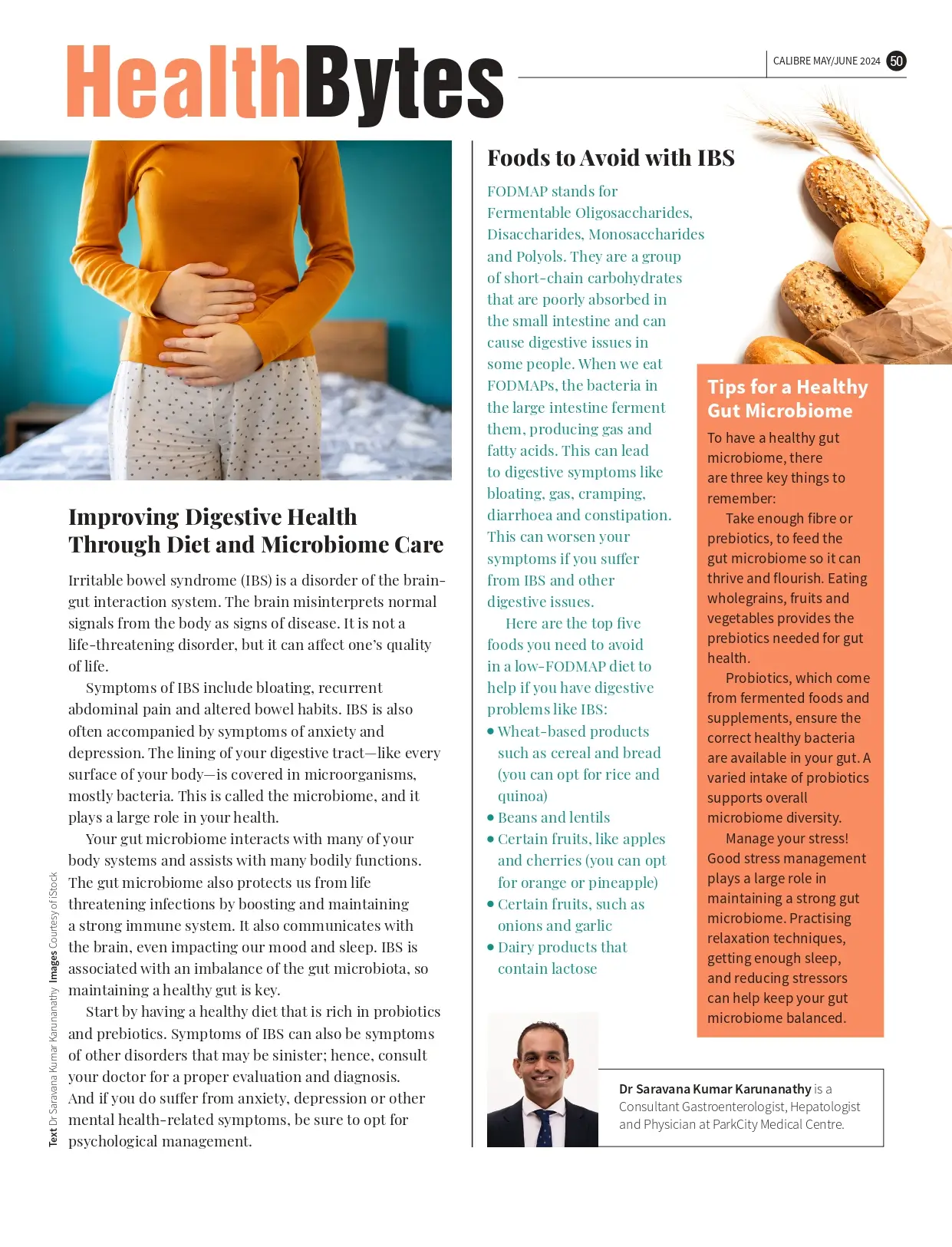
Irritable bowel syndrome (IBS) is a disorder of the brain-gut interaction system. The brain misinterprets normal signals from the body as signs of disease. It is not a life-threatening disorder, but it can affect one’s quality of life.
Symptoms of IBS include bloating, recurrent abdominal pain and altered bowel habits. IBS is also often accompanied by symptoms of anxiety and depression. The lining of your digestive tract—like every surface of your body—is covered in microorganisms, mostly bacteria. This is called the microbiome, and it plays a large role in your health.
The Importance of Gut Microbiome in IBS Relief
Your gut microbiome interacts with many of your body systems and assists with many bodily functions. The gut microbiome also protects us from life-threatening infections by boosting and maintaining a strong immune system. It also communicates with the brain, even impacting our mood and sleep. IBS is associated with an imbalance of the gut microbiota, so maintaining a healthy gut is key.
Start by having a healthy diet that is rich in probiotics and prebiotics. Symptoms of IBS can also be symptoms of other disorders that may be sinister; hence, consult your doctor for a proper evaluation and diagnosis. And if you do suffer from anxiety, depression or other mental health-related symptoms, be sure to opt for psychological management.
Foods to Avoid on a Low-FODMAP Diet for IBS Symptoms
FODMAP stands for Fermentable Oligosaccharides, Disaccharides, Monosaccharides and Polyols. They are a group of short-chain carbohydrates that are poorly absorbed in the small intestine and can cause digestive issues in some people. When we eat FODMAPs, the bacteria in the large intestine ferment them, producing gas and fatty acids. This can lead to digestive symptoms like bloating, gas, cramping, diarrhoea and constipation. This can worsen your symptoms if you suffer from IBS and other digestive issues.
Here are the top five foods you need to avoid in a low-FODMAP diet to help if you have digestive problems like IBS:
Wheat-based products such as cereal and bread (you can opt for rice and quinoa)
Beans and lentils
Certain fruits, like apples and cherries (you can opt for orange or pineapple)
Certain fruits, such as onions and garlic
Dairy products that contain lactose
Tips for a Healthy Gut Microbiome in IBS Management
To have a healthy gut microbiome, there are three key things to remember:
Take enough fibre or prebiotics, to feed the gut microbiome so it can thrive and flourish. Eating whole grains, fruits and vegetables provides the prebiotics needed for gut health.
Probiotics, which come from fermented foods and supplements, ensure the correct healthy bacteria are available in your gut. A varied intake of probiotics supports overall microbiome diversity.
Manage your stress! Good stress management plays a large role in maintaining a strong gut microbiome. Practising relaxation techniques, getting enough sleep, and reducing stressors can help your gut microbiome balance.

Dr Saravana Kumar Karunanathy
Consultant Gastroenterologist, Hepatologist and Physician at ParkCity Medical Centre.